DEEPSTATE NETWORK WASHINGTON (DNN)
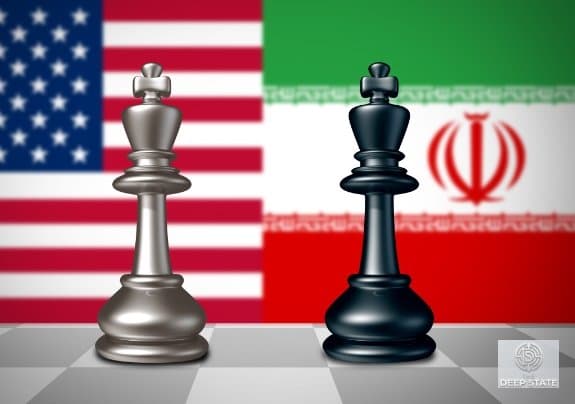
WASHINGTON, D.C. — The uneasy ceasefire between the United States and Iran faced a major challenge after a series of military actions unfolded across the Gulf region.
According to US military officials, American forces intercepted four Iranian drones that were reportedly heading toward the Strait of Hormuz. The US military stated that the drones posed a threat to maritime traffic and regional security. Following the interceptions, American forces conducted strikes against Iranian coastal radar installations, describing the action as defensive in nature.
Iran responded with missile launches aimed at US military facilities in Kuwait and Bahrain. Initial assessments from US officials indicated that most incoming missiles were intercepted before reaching their targets.
The exchange marks the latest escalation in a conflict that has already disrupted regional stability and global energy markets. The Strait of Hormuz remains a critical shipping route through which a significant share of the world's oil and liquefied natural gas supplies pass.
Diplomatic efforts to strengthen the ceasefire have reportedly stalled amid disagreements over proposed terms and conditions. Officials on both sides have accused the other of altering negotiation demands, complicating efforts to reach a lasting settlement.
Despite the continuing tensions, limited diplomatic and international engagements remain in place. Analysts say the coming weeks will be critical in determining whether negotiations can resume or whether the region faces a renewed cycle of confrontation.
Regional Impact
Security experts warn that further military exchanges could threaten shipping lanes, energy exports, and economic stability across the Middle East. Global markets continue to monitor developments closely, particularly any disruption to commercial traffic through the Strait of Hormuz.
DNN Analysis
The latest incidents demonstrate how quickly regional tensions can reignite despite existing ceasefire arrangements. While both governments continue to signal openness to negotiations, military actions on the ground suggest that trust remains limited and the risk of further escalation remains high.