DeepState Network, Delhi
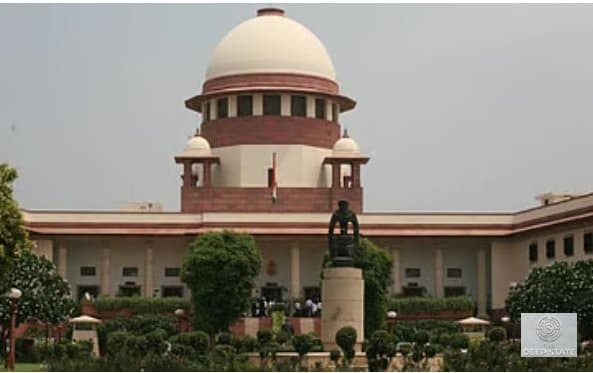
The Supreme Court has delivered a landmark ruling holding that married daughters cannot be denied benefits under welfare schemes merely because they are married. The judgment is expected to have far-reaching implications for government policies and social welfare programs across the country.
The Court noted that social realities have evolved and that many married daughters continue to support, care for, or remain dependent upon their parental families. Therefore, any blanket exclusion based solely on marital status would be arbitrary and inconsistent with the constitutional promise of equality.
Legal experts have described the ruling as an important step toward eliminating gender-based discrimination in public welfare administration. The judgment reinforces the principle that eligibility for social benefits should be determined by the objectives of the scheme rather than outdated assumptions about family relationships.
Observers believe the decision could influence future policy reforms and strengthen protections for women seeking access to government welfare programs, compassionate appointments, and related benefits.