Deepstate Network
WASHINGTON, D.C. — Tensions between the United States and Iran intensified over the weekend after American forces conducted strikes against Iranian military installations, while Tehran responded by targeting a U.S.-linked air base in Kuwait, according to officials from both countries.
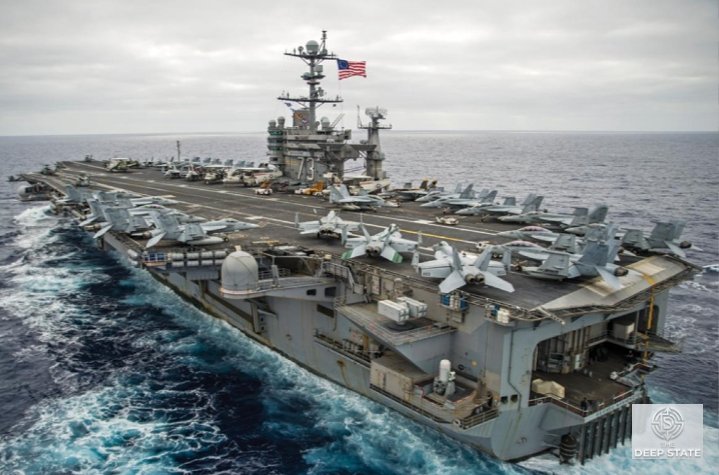
The latest exchange marks the third major military escalation in the past week near the strategically vital Strait of Hormuz, a critical shipping route for global energy supplies.
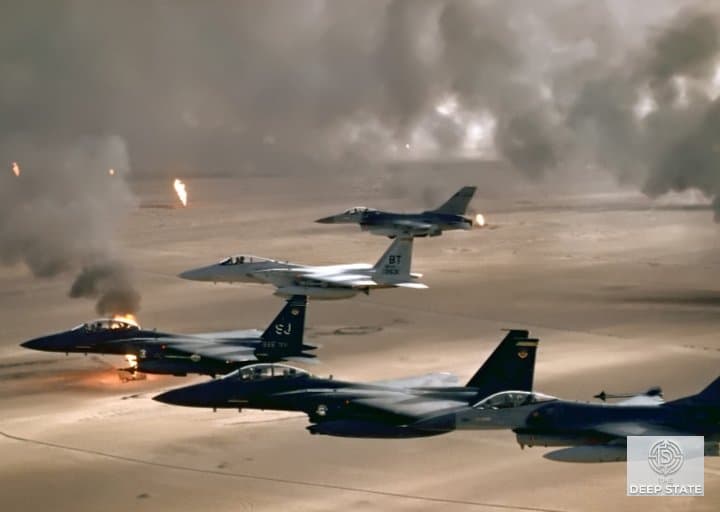
According to U.S. Central Command (CENTCOM), American forces carried out what were described as "self-defense strikes" against Iranian radar systems, drone command facilities, and air defense assets located near Goruk and on Qeshm Island along Iran's southern coastline.
U.S. officials stated the operations were launched after Iranian forces allegedly shot down an American surveillance drone operating in international airspace and threatened commercial shipping in the region.
Meanwhile, Iran's (IRGC) announced it had launched missiles against a military installation in Kuwait that it claimed had been used to support recent U.S. attacks on Iranian territory.
CENTCOM reported that two Iranian ballistic missiles aimed at American personnel were intercepted before reaching their targets and that no U.S. service members were injured.
CEASEFIRE UNDER PRESSURE
The military exchanges come despite ongoing diplomatic efforts aimed at transforming the fragile ceasefire established on April 8 into a permanent peace agreement.
President Donald Trump expressed optimism Monday morning, posting on Truth Social that negotiations remained alive and that Iran was interested in reaching an agreement.
"Iran really wants to make a deal, and it will be a good one for the USA," Trump wrote.
However, Iranian officials accused Washington of altering previously discussed terms and introducing new demands during negotiations.
Iranian Foreign Ministry spokesman Esmail Baghaei stated that constant changes to U.S. positions were prolonging talks and complicating efforts to secure a lasting settlement.
STRAIT OF HORMUZ REMAINS FLASHPOINT
A major point of contention remains the Strait of Hormuz, through which nearly one-fifth of the world's oil and liquefied natural gas shipments normally pass.
The waterway remains partially disrupted following months of military activity, contributing to volatility in global energy markets.
Reports indicate the latest U.S. proposal includes provisions for reopening the shipping corridor, extending a 60-day cessation of hostilities, and restarting negotiations over Iran's nuclear program.
Tehran has denied that substantive discussions on its nuclear activities have begun and insists that ending military operations remains its primary objective.
KUWAIT CONDEMNS ATTACKS
Kuwaiti authorities confirmed air defense systems were activated early Monday after detecting incoming missiles and drones.
The Kuwaiti Foreign Ministry condemned what it described as repeated Iranian attacks and warned that the country reserves the right to take all necessary measures to protect its sovereignty and security.
Air raid sirens reportedly sounded across several parts of the country during the incident.
REGIONAL RISKS GROW
Analysts warn that continued military exchanges could undermine diplomatic efforts and increase the risk of a broader regional conflict involving multiple actors across the Middle East.
The situation remains highly fluid as Washington, Tehran, and regional partners continue negotiations while military forces remain on heightened alert.