By DeepState Network, Delhi
Date: May 24, 2026
The National Testing Agency (NTA), responsible for conducting some of India's most important entrance examinations, is under intense scrutiny following the cancellation of NEET-UG 2026. The unprecedented move came after investigators uncovered evidence suggesting that examination questions had circulated before the test, affecting millions of aspiring medical students across the country.More than 22 lakh candidates appeared for the examination before authorities announced its cancellation. Investigators later reported that portions of the question paper had allegedly been shared through illegal networks ahead of the exam, triggering a nationwide controversy and a criminal investigation.
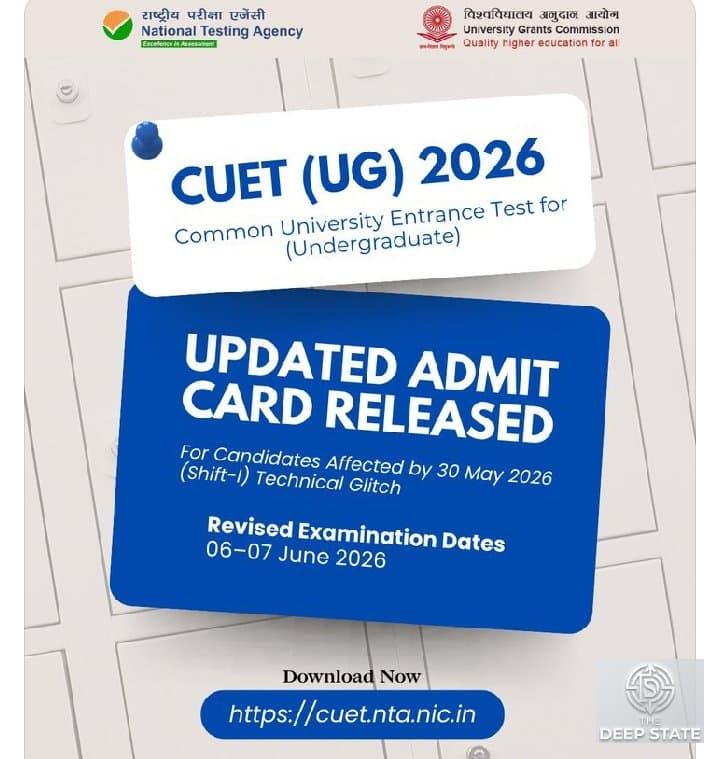
Education experts argue that the crisis extends beyond a single examination. Over the past several years, various national-level tests have faced allegations ranging from paper leaks and answer-key errors to result delays, raising broader concerns about the capacity of India's centralized examination architecture.The controversy has also sparked political debate. While government officials have acknowledged a breach in the examination process, NTA representatives have maintained that the leak did not originate directly from the agency's internal systems, leading to questions about accountability and oversight.
Student communities and parents have expressed frustration over repeated disruptions. Across social media platforms and public forums, many aspirants have described a growing loss of trust in examination systems that determine academic and professional futures.
Experts and parliamentary committees have proposed reforms including stronger cybersecurity measures, tighter vendor oversight, improved staffing, enhanced grievance redressal systems, and possible changes to examination formats. Several recommendations from previous review panels remain under consideration.
As authorities prepare for a fresh NEET examination and ongoing investigations continue, the larger challenge remains restoring public confidence in one of the world's largest examination systems. For millions of students, the outcome of these reforms may determine whether trust in competitive examinations can be rebuilt.